
Understanding the Basics and Key Components
Installing a roof is a significant aspect of home construction. It requires careful planning and skilled work to ensure durability and effectiveness. The process involves multiple steps, each crucial for the outcome’s quality. This guide will walk you through the essentials of installing shingles, explaining why each step matters for your home’s protection.

Gathering Materials and Tools
Before diving into the actual installation, you must gather all necessary materials and tools. Essential items include asphalt shingles, roofing nails, underlayment, and flashing. Additionally, you’ll need tools like a hammer, utility knife, and tape measure. Having these ready ensures a smoother workflow and reduces interruptions during installation.
Preparing the Roof Deck
Preparation is key to successful installation. Begin by inspecting the roof deck for any damage or rot. Any issues should be fixed before moving forward. Once the deck is secure, apply an underlayment to act as a moisture barrier. This is a critical foundation for shingle roofing.
Laying the Starter Strip
The starter strip is laid along the edge of the roof to provide a base for the first row of shingles. It’s essential for preventing leaks at the eaves. Align it carefully with the edge for maximum coverage and nail it down securely. This step sets the stage for laying rows of shingles in an orderly fashion.
Installing Shingles Step-by-Step
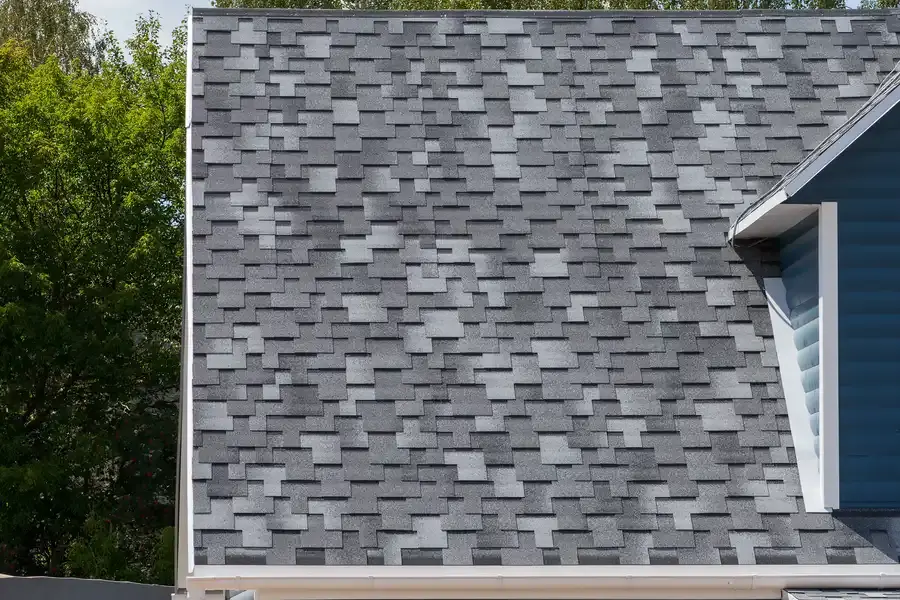
Now comes the central part: laying the shingles themselves. Start from the bottom edge, working upwards. Overlap each row as you go to prevent water seepage. For better results:
- Ensure consistent nail placement; this secures each shingle properly.
- Use four nails per shingle, driven just above where they overlap the next row.
- Cut shingles to fit around roof features like chimneys and vents.
This methodical approach prevents gaps and enhances weather resistance.
Adding Flashing for Protection
Flashing is vital for sealing joints and edges that are vulnerable to water entry, such as valleys and roof intersections. Use metal flashing and sealant to direct water away from these points. Properly installed flashing significantly extends the life of shingle roofing by reducing leak risks.
Finalizing With Ridge Cap Shingles
The ridge cap shingles cover the peak of the roof, providing additional protection while improving aesthetics. They are overlapped similarly to regular shingles but require extra nails due to their exposure to wind. Ensuring their secure placement helps in maintaining overall roof integrity.
Maintenance Tips for Longevity
Once your roof is complete, ongoing care maximizes its lifespan. Regular inspections help identify issues early. Clean gutters to prevent water buildup, which can damage roofing materials. By keeping up with maintenance, you protect your investment and keep your home safe from weather-related harm.
Reach Out for Expert Assistance With Your Roofing Needs
If installing shingle roofs feels daunting or if you’re seeking professional assurance, expert help is available. Our team at H.G. Summit Roofing & Services provides experienced guidance tailored to your needs. Based in Silverton, CO, we offer top-quality service to ensure your roofing project meets high standards. For more information or assistance, contact us at (720) 821-9556. We look forward to helping you achieve a durable and reliable roof.