
An Insight Into Essential Parts of a Roof
Roofs are more than just the top layer protecting your home from the weather. They are complex systems made up of several components working together to shield you from rain, wind, and sun. Understanding these roofing system components is crucial when considering repairs or replacements. It helps in making informed decisions about materials, design, and maintenance. This guide provides clarity on different parts of a roof, their roles, and why proper maintenance is vital for longevity.
The Importance of Shingles
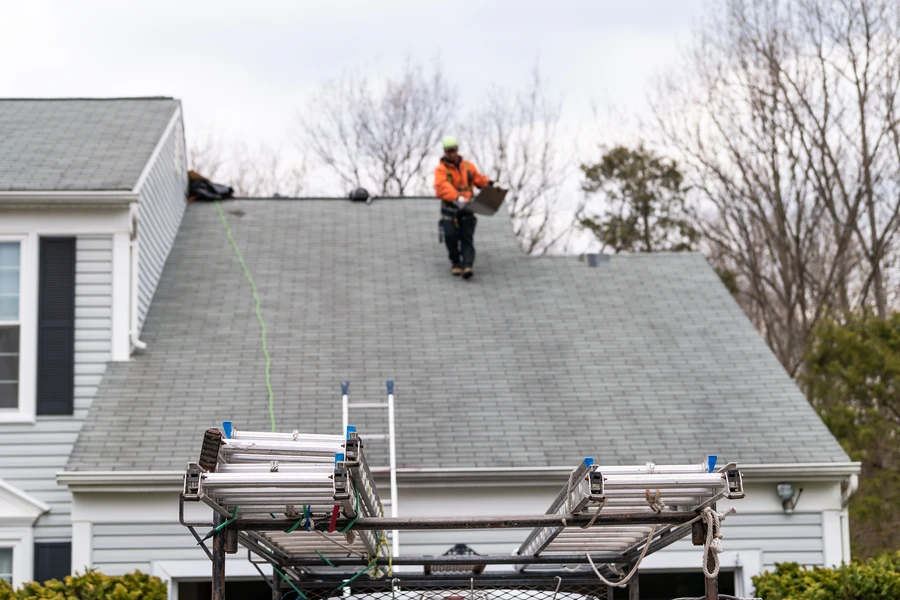
Shingles are one of the most visible parts of a roofing system. They form the outermost layer that protects against elements such as rain and UV rays. Shingles come in various materials like asphalt, wood, and metal. Asphalt shingles are popular due to their durability and cost-effectiveness. Choosing quality shingles ensures better insulation and water resistance, reducing energy costs and preventing leaks.
Roof Decking’s Role
Below the shingles lies the roof decking or sheathing. This component acts as a foundation for the entire roof structure. Usually made from plywood or oriented strand board (OSB), it provides structural support. During a roof installation, ensuring the decking is intact is essential. If damaged or rotting occurs, it can compromise the entire roofing system’s integrity.
Underlayment: an Extra Layer of Protection
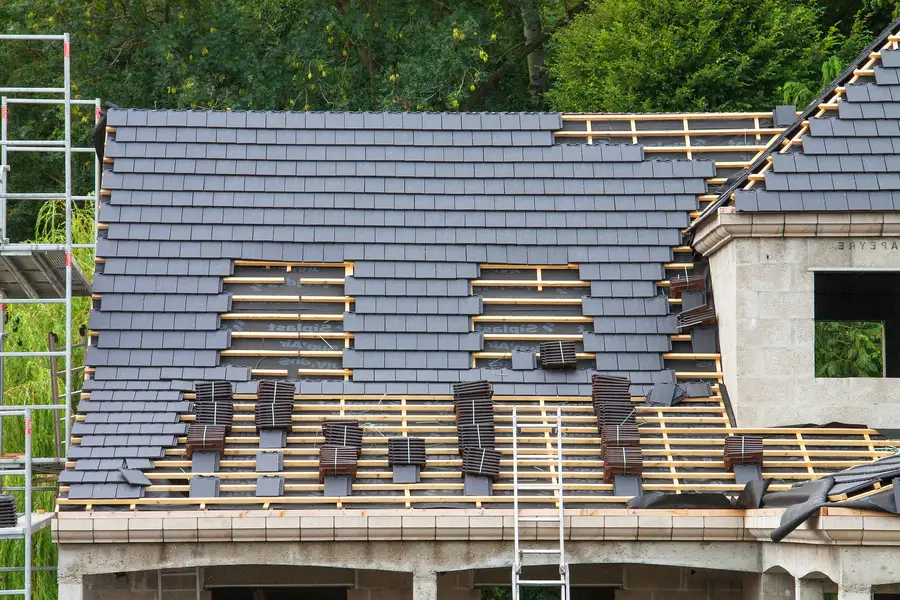
The underlayment sits between the decking and shingles, offering an extra layer of protection against moisture. Made from water-resistant materials, it safeguards the decking from leaks that might bypass shingles. Proper installation during roof installation enhances its effectiveness in preventing water damage over time.
Flashing: Preventing Water Intrusion
Flashing is a thin material installed to direct water away from critical areas like chimneys, vents, and skylights. Without flashing, even a well-installed roof can suffer from leaks. It’s crucial to ensure flashing is correctly placed and maintained to prevent potential water intrusion that could lead to mold growth and structural damage.
Soffits and Fascia: Supporting Ventilation
Soffits are located under the eaves, while fascia boards run along the roof edge. These components aid in ventilation by allowing air to flow into the attic space. Properly functioning soffits and fascia help regulate temperature in your home, reducing cooling costs in summer and minimizing ice dams in winter.
Gutters and Their Significance
Gutters play a vital role in directing rainwater away from your home’s foundation. By doing so, they prevent soil erosion and basement flooding. Ensuring gutters remain clear of debris is necessary for them to function effectively. Regular inspection and cleaning can mitigate potential water damage issues.
Making Informed Decisions About Your Roof
Understanding these components equips homeowners with the knowledge needed for effective roof management. Regular inspections and timely repairs are key to extending your roof’s lifespan. When planning roof work, consider consulting with professionals who understand local climate challenges and can provide expert advice.
Your Trusted Partner for All Things Roofing
If you’re looking to enhance your understanding of roofing systems or require professional service, contact H.G. Summit Roofing & Services today at (720) 821-9556. Our experts serve clients throughout Silverton, CO, ensuring your roofing needs are met with quality and reliability.