
The Role of Flashing in Protecting Your Roof
Flashing is a crucial element that protects your roof from leaks and water damage. It provides a barrier where the roof meets vertical surfaces like walls or chimneys. Without proper flashing, water can seep into these joints, leading to significant structural issues over time. Homeowners and builders should understand why flashing matters in roofing projects to ensure long-lasting protection. In this guide, we will explore the benefits of flashing, common problems without it, and how to incorporate it effectively.
Benefits of Proper Flashing
One of the primary benefits of using flashing in roofing projects is its ability to prevent water infiltration. Flashing directs water away from vulnerable areas, minimizing the risk of leaks and subsequent damage. Additionally, it adds durability by reinforcing weak points on the roof. This means fewer repairs down the line, translating to cost savings for you.
Common Issues Without Flashing
Neglecting flashing during roof installation can lead to several issues. Water may penetrate seams and joints, causing wood rot or mold growth. Structural deterioration becomes more likely, which compromises the safety and integrity of your home. These issues often result in costly fixes that could have been avoided with effective flashing techniques.
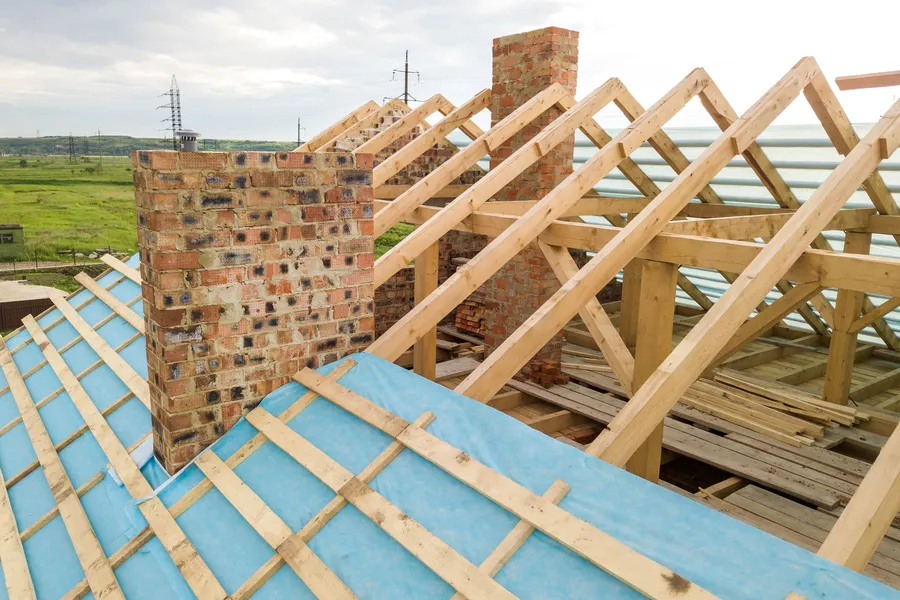
Steps to Install Flashing Correctly
Proper installation involves several key steps:
- Choose the right material: Consider options like galvanized steel or aluminum, which offer durability and weather resistance.
- Ensure precise measurements: Accurately measure the areas needing flashing to avoid gaps or overlaps.
- Secure with appropriate fasteners: Use nails or screws specifically designed for roofing materials to ensure stability.
Best Practices for Maintaining Roof Health
To maintain your roof’s health, regular inspections are essential. Check flashing after storms for any signs of wear or detachment. Promptly address small issues before they escalate into larger problems. Investing time in maintenance helps extend the life of your roofing system considerably.
Understanding Industry Standards for Roofing
Industry standards emphasize the importance of high-quality materials and techniques in roofing projects. Adhering to these guidelines ensures compliance with local building codes and enhances overall construction quality. Professionals recommend using certified contractors who follow established protocols for installing and maintaining roofing components effectively.
The Cost Factor in Flashing Installation
While adding flashing might increase initial costs, it offers significant financial benefits in the long run. By preventing extensive water damage, you reduce potential repair expenses. The investment pays off as your roof remains sturdy and efficient, saving money over time compared to addressing preventable damages.
Your Pathway to Secure Roofing Solutions
A well-installed and maintained roof is crucial for protecting your home’s integrity. Ensuring proper flashing plays a vital role in achieving this goal. For expert assistance and quality service, contact H.G. Summit Roofing & Services at (720) 821-9556. Our team is based in Silverton, CO, where we provide comprehensive roofing solutions tailored to meet your needs.